Understand The World Around Us
Overview of Ethnobotany
Ethnobotany is the scientific study of how people of a particular culture and region make use of native plants. It bridges botany and Anthropology to examine traditional plant knowledge.
Human Uses: How different groups use flora and fungi for food, medicine, shelter, clothing and tools.
Cultural Context: How societies perceive, manage, and weave plants into their religious,spiriual, and daily customs.
Interdisciplinary Science: Blending skills from ecology, botany, mycology, biochemistry, and linguistics to record human societies and plants interact.
Get To Know The Father of Ethnobotany
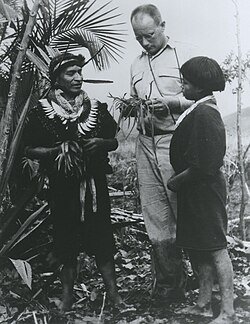
Richard Evans Schultes (1915–2001) was an American biologist whose pioneering work established ethnobotany as a formal scientific discipline, focusing on the study of how indigenous peoples use plants for medicine, rituals, and daily life He conducted extensive fieldwork in the Amazon rainforest, documenting over 24,000 plant species, including hundreds previously unknown to science, and studied entheogenic plants such as ayahuasca, coca, and curare in their cultural contexts.
Schultes’ academic journey began at Harvard University, where he shifted from medicine to botany under the mentorship of Oakes Ames. His doctoral research investigated hallucinogenic plants in Mexico, including teonanácatl mushrooms and ololiuqui, laying the groundwork for modern ethnobotanical studies
Over his career, he collected more than 30,000 herbarium specimens, which were bequeathed to Harvard University, and inspired generations of students, including notable ethnobotanists like Wade Davis and Mark Plotkin.
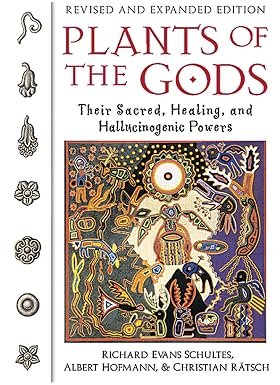
Beyond cataloging plants, Schultes emphasized the importance of preserving indigenous knowledge, warning that traditional plant use was rapidly disappearing due to modernization and environmental changes His influential publications, including The Plants of the Gods, co-authored with Albert Hofmann, remain foundational texts in ethnobotany.
In summary, Richard Evans Schultes’ extensive fieldwork, documentation of indigenous plant knowledge, and mentorship of future ethnobotanists firmly establish him as the father of ethnobotany.
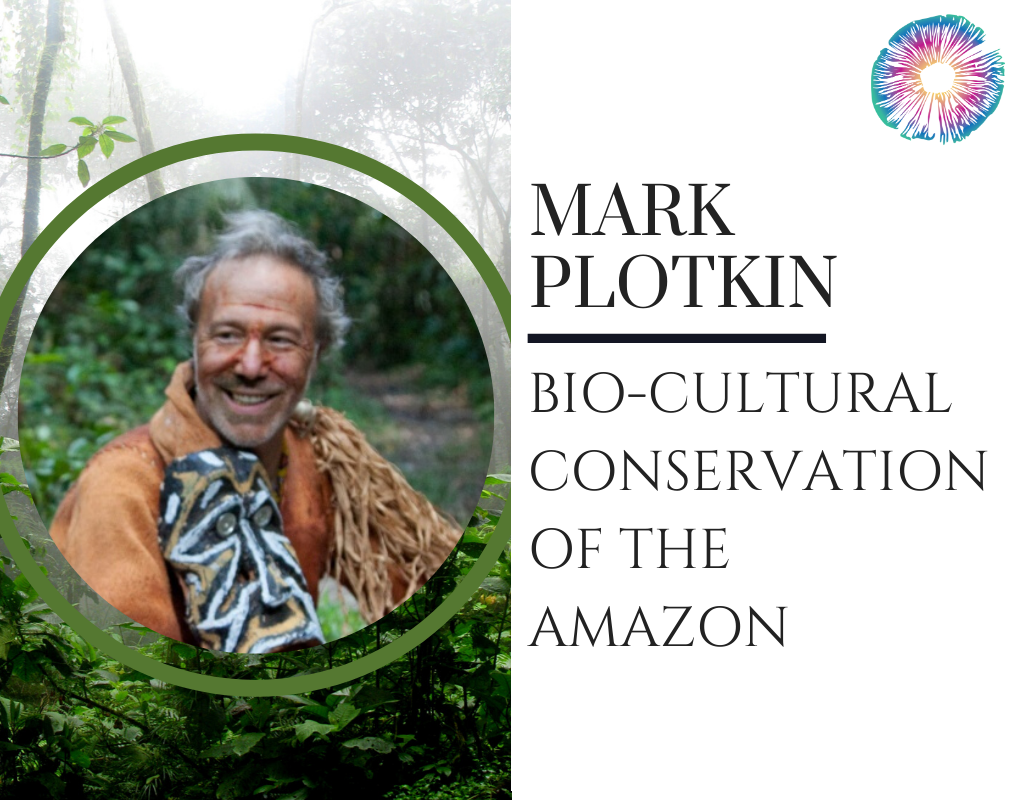
Featured Speaker: Mark Plotkin, PhD. (Harvard)
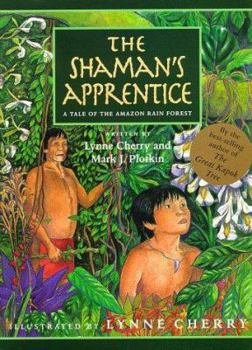
Mark J. Plotkin is an American ethnobotanist, conservationist, author, and podcast host renowned for decades of work with Amazonian Indigenous communities to document and preserve traditional plant knowledge. Co-founder of the Amazon Conservation Team, he champions Indigenous-led rainforest protection and has authored acclaimed books like Tales of a Shaman’s Apprentice. His awards include TIME’s “Hero for the Planet” and the Skoll Award for Social Entrepreneurship.